

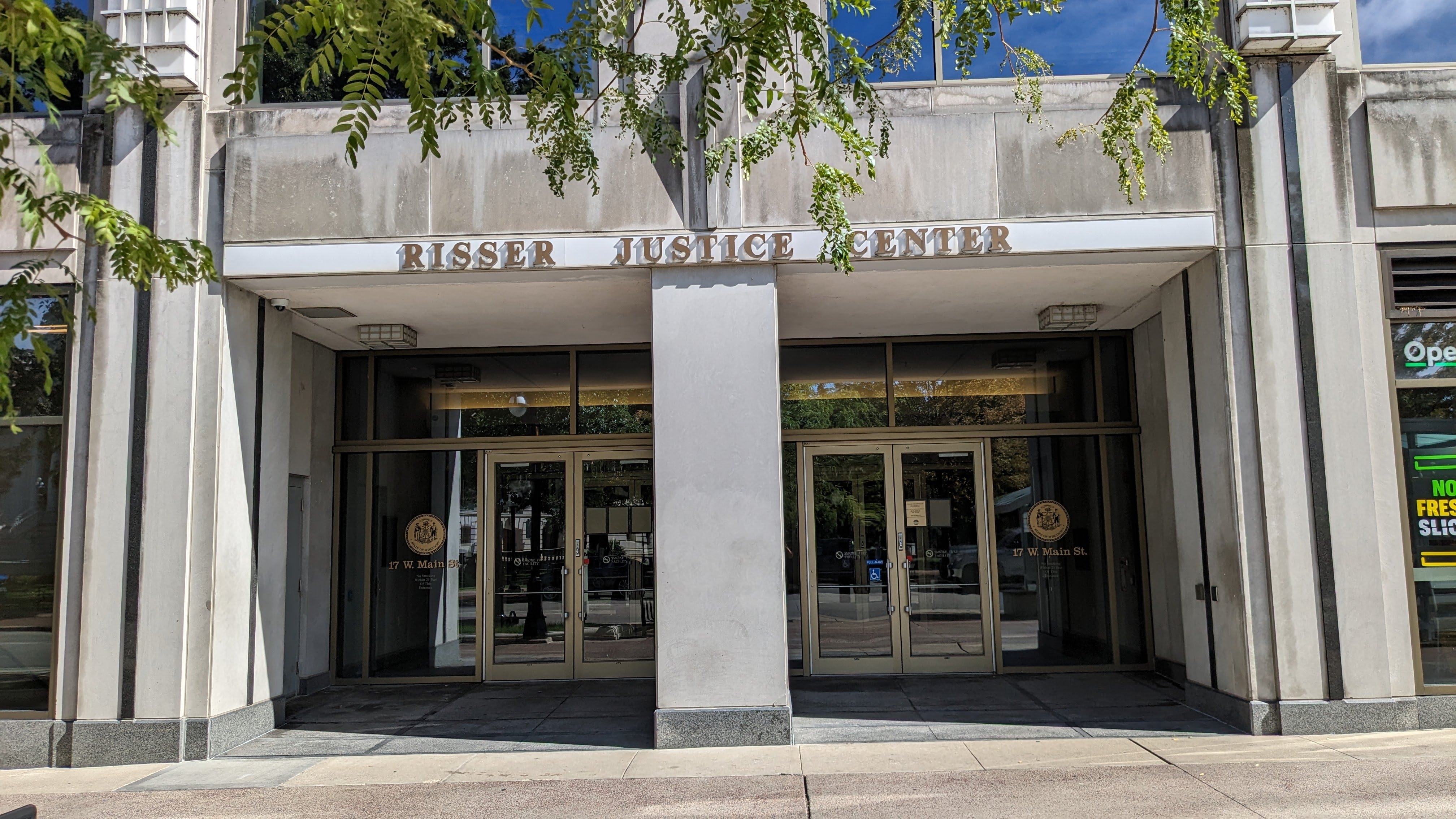
The state Department of Justice appealed a ruling in a lawsuit brought by The Badger Project and the Invisible Institute ordering the agency to release the names and work histories of every cop in the state.
By Annie Pulley, THE BADGER PROJECT
The Wisconsin Department of Justice has filed paperwork to appeal a Dane County judge’s order that it must release the names and work histories of every certified law enforcement officer in the state.
Tom Kamenick, the lead attorney for the plaintiffs and the founder of the Wisconsin Transparency Project, a law firm dedicated to enforcing the state’s open records law, said the June appeal delays the inevitable, though it may take a year for the appellate court to rule.
“We fully expect the result here to be the same,” he said. The “DOJ could not show that there was any real risk that any undercover officers’ identities would be revealed or that any officers’ safety would be put at risk. Appealing isn’t going to change that.”
The state DOJ is required to file a brief supporting its appeal by August, Kamenick noted.
A spokesperson for the state DOJ did not respond to a request for comment.
The lawsuit originated from a records request filed by The Badger Project and the Invisible Institute, a Chicago-based journalism organization that’s working to compile a national database of police officers. The original open records request sought officers’ names, birthdays or birth years, zip codes, and their work histories. Home addresses were not requested.
The Badger Project and Invisible Institute sued the state DOJ in 2023 after the agency refused to fully comply with the open records request.
In the course of the lawsuit, The Badger Project and the Invisible Institute took the position that they did not need full birthdates of officers, and that birth years were acceptable. The journalism organizations are seeking birth years to help distinguish between officers with the same names.
In Dane County Judge Rhonda Lanford’s April decision, she said the state DOJ’s denial was “unlawful” and ordered the release of the records.
The agency’s partial denial cited safety and privacy concerns of cops, especially for undercover officers. The journalism organizations argued that as undercover officers don’t use their real names, they would not be jeopardized by the release.
The Wisconsin Department of Justice has consistently denied requests for this list of law enforcement officers over the years, including in 2019, when the Invisible Institute made its first request. That time, the department made an effort to fulfill the request, but eventually rejected it after facing resistance from law enforcement agencies and policing groups, according to documents The Badger Project received during the course of its 2023 lawsuit.
The plaintiffs argue that the reason for a comprehensive list of police is to better track wandering officers – cops and jailers who leave one law enforcement job under negative circumstances just to be hired at another. Especially those who cross state lines, making it difficult to track.
Wisconsin is one of 14 states that don’t provide the names and work history of its officers to the public due to legal barriers, according to the Invisible Institute.
The lawsuit
The news organizations’ lawsuit was mainly funded by The National Freedom of Information Coalition, through grants from the John S. and James L. Knight Foundation and the Society of Professional Journalists’ Legal Defense Fund.
The case was argued by Kamenick and Lena Shapiro, director of the University of Illinois College of Law’s First Amendment Clinic.
The Badger Project is an independent, reader-supported news nonprofit in Wisconsin.
SUPPORT OUR WORK AND HELP US INVESTIGATE THE POWERFUL!
DONATE
Leave a Reply